If you have spent any time around pokies in Adelaide clubs, you will have heard the chatter around a Dragon Link Hold Spin Jackpot. Most punters reckon the hold feature is the whole story, but the real decision is about how the jackpot maths stacks up against your bankroll and session goals. I have spent years modelling complex slot mathematics through my work at Game Design Automation and building Slot Designer, and that background tells me one thing clearly: players who treat this mechanic as a probability puzzle rather than a near-miss fairy tale walk away with clearer expectations. Before you commit, it helps to know exactly what the feature does, where it fits, and how to weigh the numbers without the pub noise getting in the way.
What the Hold Spin Jackpot Actually Does
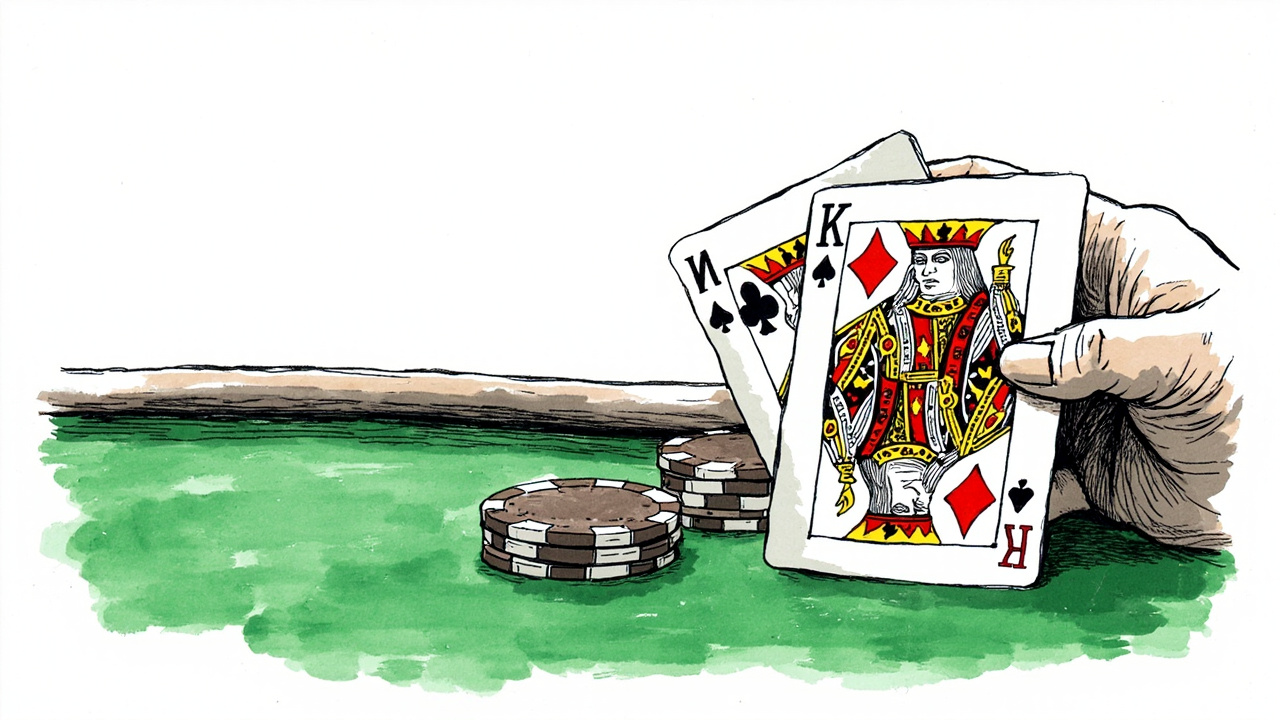
The hold spin mechanic locks selected symbols in place for the next spin, and the Dragon Link Hold Spin Jackpot ties that feature to a progressive pool that grows with each wager across the linked cabinet network. In plain terms, you are buying extra coverage on a defined set of outcomes, not buying a guaranteed hit. The feature usually awards a handful of holds per trigger, and the jackpot itself is a separate meter that can be hit at any eligible moment, independent of whether the holds line up perfectly. That distinction matters because a lot of club talk conflates the two. When I compare the way this is presented overseas, the difference is stark: in the UK and parts of Europe, operators are required to publish theoretical hold percentages and jackpot contribution rates in a standard format, whereas here in Australia the disclosure is often buried in a paytable or a help screen that nobody reads during a busy arvo session. The practical read is simple. The hold feature improves your hit frequency on a given spin, but the jackpot remains a long-shot event governed by its own contribution rate. If you are weighing whether to play, focus on the contribution rate first, then on how the hold mechanic changes your short-term variance.
The Decision Checklist Before You Play
Before you drop coins into a Dragon Link Hold Spin Jackpot cabinet, run through a short checklist that keeps the feature in perspective. First, confirm the jackpot contribution rate and the seed value printed on the screen; a higher seed does not mean easier wins, it just means the pool starts further along. Second, check the hold frequency and the maximum number of locked symbols per trigger, because a feature that locks too few positions barely changes your outcome distribution. Third, look at the bet range and whether the jackpot requires a maximum-line or maximum-bet wager to be eligible; that detail alone decides whether the feature is affordable for your session. Fourth, consider the volatility profile of the base game, since a high-variance base combined with a progressive jackpot can stretch a bankroll faster than most players expect. Fifth, set a stop point for the session and a separate stop point for the jackpot chase, because chasing a progressive meter without a hard limit is how a quiet lunch turns into a costly afternoon. Finally, verify that the machine is on a licensed venue network and that the progressive pool is clearly labelled, so you know exactly which cabinets share the same jackpot. Here is the step-by-step process I recommend for a disciplined session:
- Read the paytable and jackpot contribution screen before placing any wager.
- Decide your session bankroll and a separate jackpot chase limit.
- Confirm the bet requirement for jackpot eligibility and stick to it.
- Track hold triggers as data, not as signals that a win is due.
- Stop the session when either limit is reached, no exceptions.
Mobile Usability and How It Handles On the Go
A growing number of punters check progressive figures and cabinet status on their phones before heading to the club, and that is where mobile usability becomes part of the decision rather than an afterthought. A well-built browser view should load the jackpot meter, the hold feature summary, and the bet requirements without making you pinch and zoom through a cluttered layout. Responsiveness matters because a phone screen is not a club floor, and a layout that forces horizontal scrolling or hides the contribution rate behind a second tap is doing you a disservice. Performance is the other half of the equation: if the page lags while you are trying to confirm a jackpot figure during a busy session, you end up guessing instead of deciding. Navigation should keep the feature details, the paytable, and the support links within two taps, because a player who is already managing a bankroll does not need a maze. I have seen comparable mobile-first setups overseas where the progressive data and the feature summary sit on the same screen as the current meter, and that standard is worth expecting here too. If you are checking details before a session, a clean mobile view is a practical advantage, not a luxury.
Jackpots, Syndicates, and the Reality of Shared Wins
The Dragon Link Hold Spin Jackpot has a history that matches the broader reality of progressive pokies: a single syndicate ticket has produced multiple co-winners of huge jackpots, and that fact shapes how you should think about chasing a shared pool. When a group pools contributions across several eligible cabinets, the jackpot meter still grows the same way, but the win is split according to the ticket structure, which means the headline figure is not the figure any one player walks away with. That is not a warning against syndicates; it is a reminder that the maths is shared maths. I have modelled enough progressive networks to know that the contribution rate and the seed value are the real levers, and a syndicate does not change those numbers, it only changes how the outcome is divided. If you are considering a shared ticket, agree on the split before the session, keep the contribution records clear, and treat the jackpot as a low-probability event that may or may not land on your watch. The hold feature can make a session more engaging, but it does not turn a progressive meter into a scheduled payout. Players who keep that straight are in our system the ones who leave with their expectations intact.
Responsible Play and Where to Get Support
No feature, hold mechanic, or progressive meter changes the fact that pokies are a form of entertainment with a built-in house edge, and the decision to play should always include a clear stop point. Family support services help those affected by another’s gambling, and that resource matters because a jackpot chase can quietly shift from a casual session to a costly one if nobody is watching the limits. The practical move is to treat the Dragon Link Hold Spin Jackpot like any other feature-driven game: set your bankroll, set your time, and walk away when either limit is reached. If you are playing in a club, the venue staff can point you toward responsible gambling signage and local support contacts, and those contacts exist for exactly this kind of situation. I have seen plenty of sessions where a player had the right idea about the maths but lost the plot on the limits, and that is the gap that support services are there to fill. Play for the feature, not for the fairy tale, and keep the stop point non-negotiable.
When you weigh up a Dragon Link Hold Spin Jackpot, the decision comes down to three things: the contribution rate on the jackpot, the hold mechanic’s effect on your variance, and the limits you set before the first spin. I have built tools that model exactly this kind of feature-driven progressive, and the read is always the same: the numbers do not care about a hot arvo or a lucky streak, they only care about contribution, seed, and bet eligibility. If you want to compare notes with other players who are tracking progressive figures, you can visit https://jeetcity-casinologin.com/ for a straightforward login and account view that keeps the details in one place. For a broader look at how jackpot play is framed elsewhere, this clear look at hidden jackpots walks through the same kind of probability thinking without the club noise. Play the feature with your eyes open, keep your limits firm, and let the maths do the talking.